
Read in
Translations are automatic (Google Translate) and may contain errors. English is the original.
Contents
- Signs and Symptoms
- Treatment Options
- Complications
- Lifestyle Modifications
- Triggers
WHAT IS ALLERGIC RHINITIS?
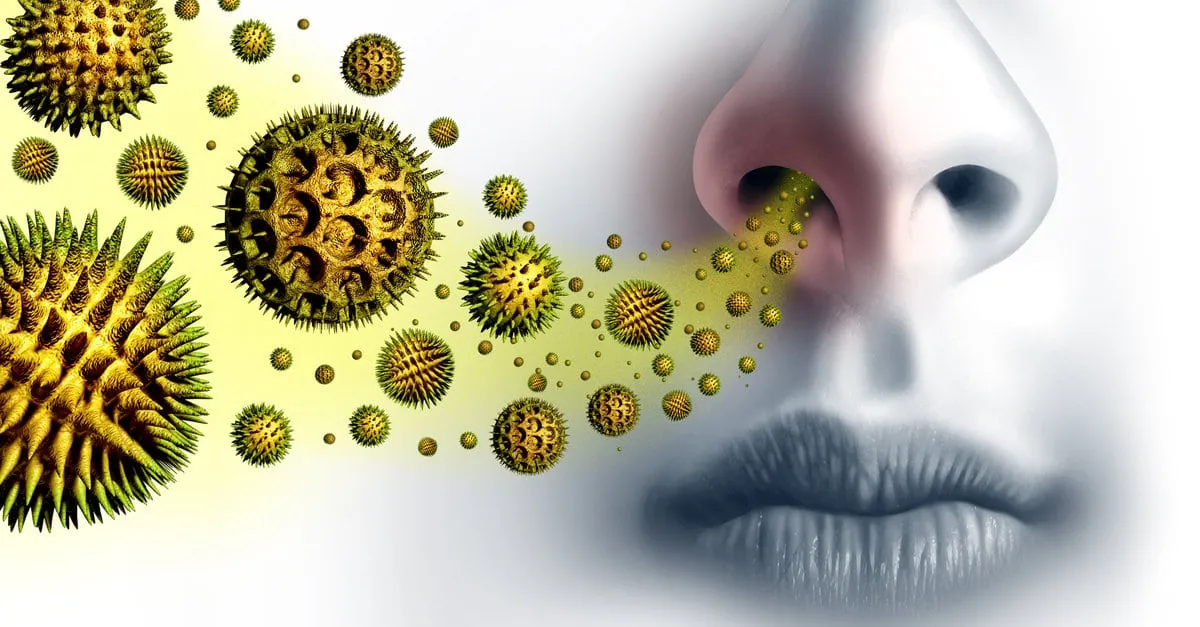
This is due to the immune system being sensitised and then overreacts to irritants in the environment. This inflammation is typically characterised by a blocked nose, rhinorrhoea, sneezing and itching. It can be classified as intermittent (symptoms less than four days per week or less than four weeks) or persistent (symptoms more than four days per week or more than four weeks).
SIGNS AND SYMPTOMS
- Sneezing.
- Conjunctivitis.
- Dark circles under the eyes.
- Dennie-morgan line or puffy eyelids.
- Nasal crease and salute.
- Long face syndrome: a disorder to which the face grows in an excessive amount in the vertical dimension.
- Allergic shiners.
- Itchy nostrils, palate or ears.
- Nasal obstruction or congestion.
- Rhinorrhoea or postnasal drip.
TREATMENT OPTIONS
- Intranasal corticosteroids: can be available over the counter.
- Antihistamines.
- Decongestants.
- Nasal steroid sprays: takes several days to fully take effect.
- Leukotriene pathway inhibitors.
- Immunotherapy: can help achieve long term control.
COMPLICATIONS
- Otitis media with effusions.
- Decreased quality of life.
- Long face syndrome.
- Sinusitis.

LIFESTYLE MODIFICATIONS
- Try to avoid triggers
- Avoid using fans which can draw pollen, moulds or dust into the house
- Wear sunglasses or normal glasses to protect your eyes from outdoor irritants
- If you are working in your garden, wear a pollen mask and take appropriate prophylactic medication beforehand
- Try to hang your clothes indoors instead of outdoors to dry to prevent outdoor irritants clinging onto the clothing, especially towels and sheets
- Avoid rubbing your eyes when they are irritated
- Wash your hands after touching pets and wash clothes after visiting homes of friends who have pets
- Limit outdoor activities and keep windows and doors closed as much as possible during pollen seasons
- Remove carpets from the bedroom
- Try and keep the pets off furniture, out of your bedroom and try to have them washed weekly
- To kill dust mites, wash bedding in hot water
TRIGGERS
- Outdoor irritants such as grass, pollen, trees, weeds, dust, etc.
- Indoor allergens such as pet dander, pet hair, dust mites, mould, etc.
- Cigarette smoke, strong perfumes, exhaust fumes.
Last reviewed : 5 May 2024

Medical references


This page is for general information and isn't a substitute for advice from a doctor who knows your history. If you're worried about your health, speak to your GP. In an emergency, call 10177, or 112 from a mobile.