

Translations are automatic (Google Translate) and may contain errors. English is the original.
Contents
- What is high blood pressure?
- Who gets it?
- Causes and risk factors
- Primary hypertension (unknown causes)
- Secondary hypertension caused by other conditions and medications
- Signs and Symptoms
- How is high blood pressure diagnosed
- Diastolic blood pressure
- Systolic blood pressure
- If your blood pressure is high
- How to treat hypertension
- Educate yourself and others
WHAT IS HIGH BLOOD PRESSURE?
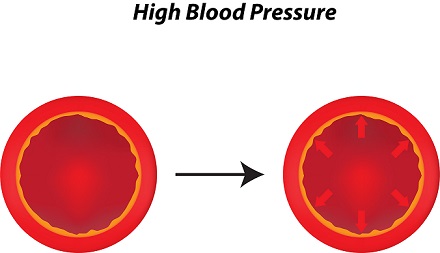
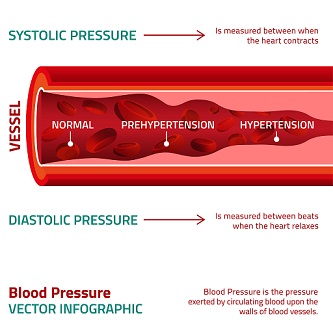
As the blood moves, it pushes against the inner walls of your arteries.1 The force or strength of this pushing is your blood pressure.
High blood pressure occurs when your blood applies too much force against the walls of your blood vessels.2 Elevated blood pressure is not necessarily cause for concern. For example, it increases when you exercise or when you are stressed.3 This is normal. However, if your blood pressure is persistently high, over a longer period of time it can lead to serious complications such as increasing your risk of:
- Heart disease
- Stroke
- Kidney failure
- Blindness
- Blood vessel damage
- Sudden cardiac death4
Hypertension is the medical term for High Blood Pressure
WHO GETS IT?
Regardless, hypertension does not go away on its own so it’s important to know what causes it, who is at risk and to get your blood pressure checked at least once a year.2
CAUSES AND RISK FACTORS
Hypertension is often described as either primary or secondary.
PRIMARY HYPERTENSION (UNKNOWN CAUSES)
Also known as essential hypertension, primary hypertension is the most common type. It usually takes years to develop, and while it has no single identifiable cause, a combination of risk factors may play a role including:
- Genetics – gene mutations or abnormalities inherited from your parents
- Age – physical changes in the body as you get older
- Lifestyle – being overweight, lack of exercise, too much alcohol, smoking, and a high salt diet, sleep deprivation6,7
SECONDARY HYPERTENSION (CAUSED BY OTHER CONDITIONS AND MEDICATIONS)
Secondary hypertension often occurs faster than primary hypertension. Causes may include:
- Tumours in the adrenal gland
- Thyroid problems – if the thyroid produces too much or too little thyroid hormone
- Obstructive sleep apnea – a condition where a person’s breathing regularly stops and starts while sleeping
- Congenital vascular malformation – hereditary problems with blood vessels
- Certain prescription medications such as oral contraceptives
- Alcoholism or drinking too much alcohol7, 8
SIGNS AND SYMPTOMS
You can have high blood pressure for years and not have any symptoms. Even when blood pressure elevates to dangerous levels, many people experience no signs or symptoms2
HOW IS HIGH BLOOD PRESSURE DIAGNOSED?
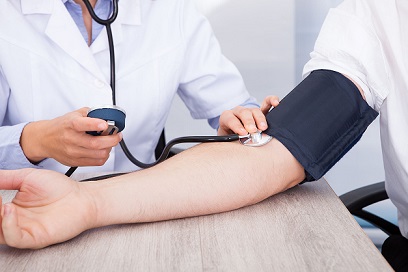
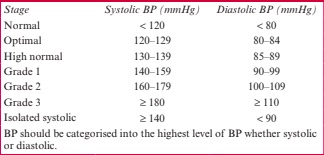
Your blood pressure measurement recording shows two numbers, expressed as systolic blood pressure (SBP) over diastolic blood pressure (DB).
SYSTOLIC BLOOD PRESSURE
- The top number measures the pressure inside your artery when your heart contracts, or beats and pumps blood through your body. Blood pressure is at its highest or in its peak cycle, which is called systole.
DIASTOLIC BLOOD PRESSURE
- The bottom number measures the pressure inside your artery when your heart rests between beats and refills with blood. The cycle in which your blood pressure falls is called diastole.
IF YOUR BLOOD PRESSURE READING IS HIGH
HOW TO TREAT HYPERTENSION
Various factors, such as identified causes help to inform treatment options, which will likely start with lifestyle changes to lower your blood pressure particularly when it comes to primary hypertension. Lifestyle changes may be sufficient if your blood pressure levels are elevated but, if your blood pressure is really high, your doctor may prescribe medication straight away.6
In the case of secondary hypertension, if your doctor identifies an underlying health condition, he or she will:
- Recommend treatment to address the underlying condition or 6
If certain medications you are taking to treat a pre-existing condition are raising your blood pressure levels, he or she will:
- Change your medication6
EDUCATE YOURSELF AND OTHERS
If your blood pressure sits in the healthy (normal) range, maintain or adopt a healthy lifestyle to prevent or delay the onset of high blood pressure. Eat a heart-healthy diet and limit your salt intake, exercise regularly, and limit your alcohol intake.2
If you discover your blood pressure does not sit in the healthy range, a healthy lifestyle together with medication often helps to bring it under control to reduce your risk of life-threatening complications.2 Please note: This is educational information only and should not be used for diagnosis. For more information on high blood pressure, consult your healthcare professional.

Print, download or find out more
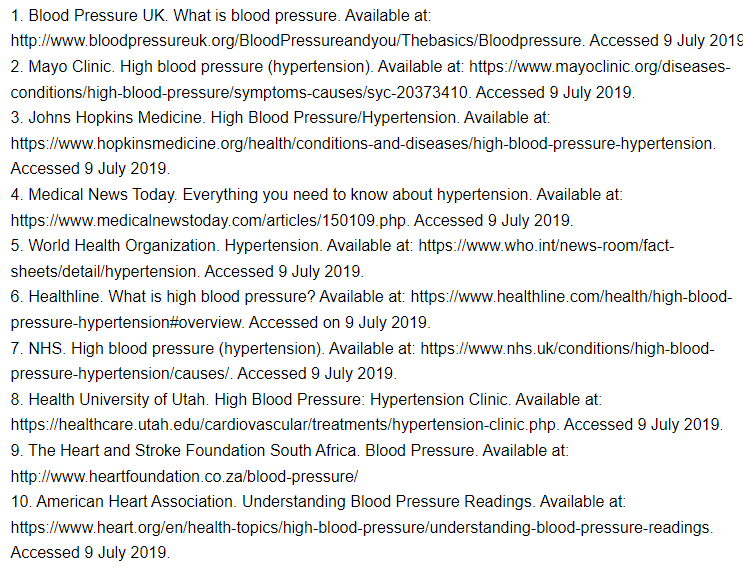
Medical references

This page is for general information and isn't a substitute for advice from a doctor who knows your history. If you're worried about your health, speak to your GP. In an emergency, call 10177, or 112 from a mobile.