


WHEN DO I HAVE HIGH BLOOD PRESSURE ALSO KNOWN AS HYPERTENSION?
When systolic is > 140-160mmHg.When diastolic is > than 85mmHg patient must change his/her lifestyle;
> 90 mmHg patient must get medicine;
> 95mmHg patient is not controlled on current medicine
>above 100mmHg patient will be referred to hospital (Hypertensive crisis).
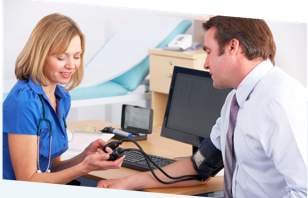
SIGNS AND SYMPTOMS
- Severe headache Nosebleeds
- Fatigue or confusion
- Vision problems
- Chest pain
- Difficulty breathing
- Irregular heartbeat
- Buzzing in ears
- Pounding in your chest, neck, or ears.
UNCONTROLLED HIGH BLOOD PRESSURE CAN LEAD TO:
- Heart attack or stroke.
- Aneurysm.
- Heart failure.
- Weakened and narrowed blood vessels in your kidneys.
- Thickened narrowed or torn blood vessels in the eyes.
- Metabolic syndrome.
- Trouble with memory or understanding.
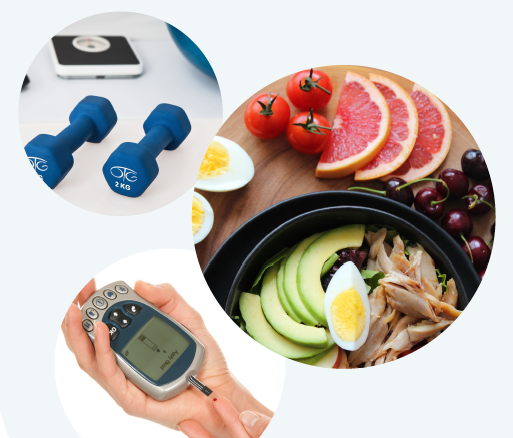
LIFESTYLE CHANGES
- Get active – start exercise – high repetition
- Control cholesterol – Unprocessed food high in Omega, low in saturated fat?
- Eat better – Less Salt
- Lose weight – Maintain a healthy weight Quit smoking
- Reduce stress
- Control blood glucose
- Monitor blood pressure on a regular basis
Sponsored by Medinformer