
Liver Toxicity
Liver toxicity is the harmful effect that occurs when a toxic (poisonous) chemical is swallowed, inhaled, injected or absorbed. Toxic chemicals include therapeutic medications, traditional herbs, gas fumes, nutraceuticals, supplements, or drugs. Liver toxicity causes gradual or sudden liver damage.1 It is estimated that liver toxicity accounts for between 6% and 70% of reported cases…
Translations are automatic (Google Translate) and may contain errors. English is the original.
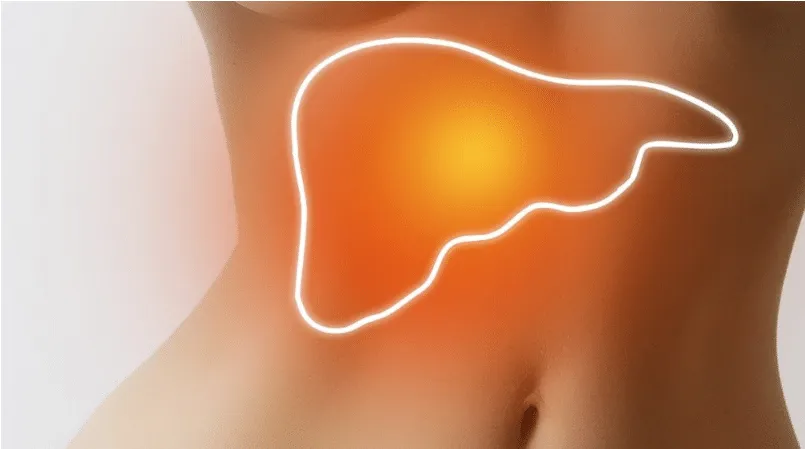
What exactly is your liver?
- The second largest organ in your body (after the skin)
- A meaty structure that sits mainly behind the rib cage
- Weighs approximately 1.5kg
- Reddish brown in colour and has a rubbery texture
- Your body’s “purification factory”
- Normally you can’t feel it because it’s protected by the rib cage
Liver damage can occur before symptoms appear
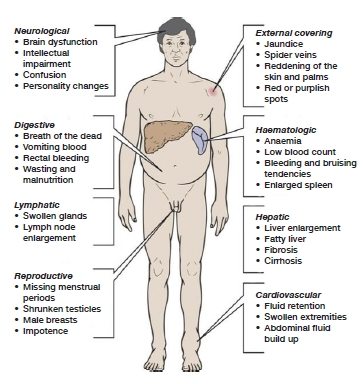 Give your liver the support it needs to function optimally
Are you at risk?
Risk factors may include:
- Certain medications
- Overdosing on medication, exceeding prescribed treatment dosage, or ignoring direction of use (pain killers such as paracetamol, ibuprofen, codeine)
- Use or experimentation with injectable drugs or illicit drugs
- Pre-existing medical conditions e.g. liver disease, HIV/AIDS, malnutrition, fasting or dieting
- Past blood transfusions
- Sexual activity
- Direct contact with infected persons (Hepatitis, TB)
- Smoking
- Alcohol consumption
- Occupational exposure to blood products (through accidental needle prick)
- Exposure to toxic chemicals (polluted industrial areas, poor sanitation, sewerage contamination, infection and disease outbreaks)
- Family history of liver disease
- Working in or travelling to places of high endemicity without immunization (malaria)
Why your liver is important
As your body’s “purification factory”, the liver:
- Filters-out toxins
- Regulates and cleanses a litre and a half of blood per minute of virtually every foreign substance entering your system
- Makes new proteins needed to strengthen the immune system
- Helps the body to resist and fight infection
- Processes many of the drugs in your system
How drugs cause liver damage
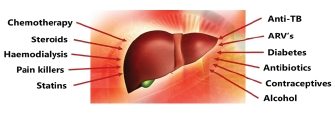 The liver is your body’s purification factory
Signs and symptoms 4, 5
Early symptoms include generalised itching, loss of appetite, fatigue, feeling sick (nausea), diarrhoea, and feeling unwell. Early symptoms are usually overlooked, as they can be very similar to other common ailments (hangover after excessive consumption of alcohol, or biliousness and indigestion after consuming junk food).
Diagnosis and treatment
Diagnosis includes a liver function test or blood tests to see if certain liver enzymes that circulate in the bloodstream have increased. It is critically important that you and your doctor monitor your liver enzymes regularly if you are starting or you are already taking chronic medication.

Medical references


This page is for general information and isn't a substitute for advice from a doctor who knows your history. If you're worried about your health, speak to your GP. In an emergency, call 10177, or 112 from a mobile.