
Translations are automatic (Google Translate) and may contain errors. English is the original.
Malaria is a serious parasitic disease transmitted by mosquitoes, but it’s preventable and treatable.
What is Malaria?
Malaria is a potentially life-threatening disease caused by Plasmodium parasites, transmitted to humans by certain infected mosquitoes.¹ Once bitten, parasites first multiply in the liver, then infect red blood cells, causing illness.² In South Africa, malaria remains a public health concern in certain regions, but is both preventable and curable.³
Who Is at Risk
- Where malaria occurs in SA: In South Africa, endemic transmission is largely limited to low-altitude, north-eastern regions: Limpopo, Mpumalanga, and KwaZulu-Natal.⁴ ⁵
- Seasonality: Malaria in SA is seasonal, with the high-risk period between September and May.⁴ ⁵
- Importation: Many cases notified in SA are imported – from neighbouring countries such as Mozambique.⁶
- Risk groups: People at high risk of severe malaria include young children, pregnant women, people with weakened immunity (e.g., HIV), and travellers returning from malaria-endemic regions.² ⁷
How Malaria Spreads
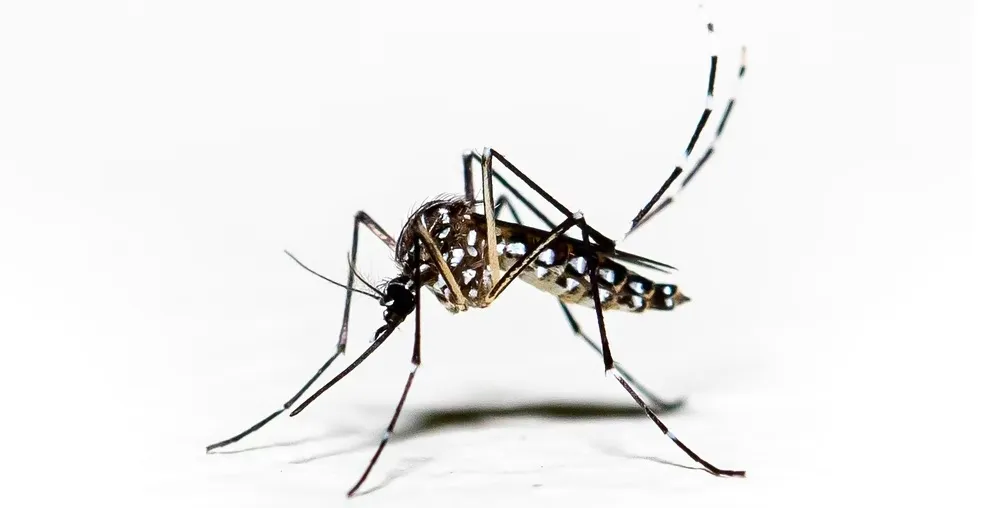
Malaria is transmitted by the bite of infected female Anopheles mosquitoes (called vectors of the disease) .¹ ² These mosquitoes pick up the parasite when they bite an infected person, then spread it to others. Rarely, malaria can also be transmitted by needlestick injury or blood transfusion.⁴
In South Africa, vector control plays a key role: indoor residual spraying (IRS) is routinely used to reduce mosquito populations.⁸
Symptoms
Symptoms may begin 7–15 days after a bite, but in some cases, symptoms can appear later.² ⁹ Key signs include:
- Recurrent fever, often with chills and sweats
- Headache, muscle aches, fatigue
- Nausea, vomiting, diarrhoea, abdominal pain
- Jaundice (yellowing of skin or eyes) in some cases⁹
- In severe cases: confusion, difficulty breathing, seizures, dark urine, low blood sugar, kidney injury or anemia.¹ ²
If you develop fever or flu-like symptoms during or after travel to malaria-risk areas (or if you live in a risk area), seek medical care immediately.⁴ ⁹
Treatment
- Mild malaria: Treated promptly with anti-malarial medicines, most often artemisinin-based combination therapy (ACTs), per WHO guidelines.² ⁹
- Severe malaria: May require hospitalisation, intravenous medicines, and close monitoring.²
- In SA, National Guidelines advise which medicines to use depending on parasite species, patient age, and severity.⁵ ⁸
Prevention
Because preventing malaria is much safer than treating it, here are key preventive measures:
- Seek medical advice before travel
- Visit a GP or travel clinic several weeks ahead.⁴
- You may be prescribed chemoprophylaxis (anti-malarial tablets) based on your itinerary and risk level.⁴ ⁵
- Avoid mosquito bites
- Use insect repellent (DEET or other WHO-recommended products) on exposed skin.¹
- Sleep under insecticide-treated nets.⁴
- Wear long-sleeved, light-coloured clothing during evening/night, when mosquitoes are most active.⁴
- Use indoor mosquito control: aerosol sprays, coils, or screening on windows/doors.⁴
- Remain alert during and after travel
- Continue taking prophylaxis when advised (usually for a period after return).⁴
- If you feel ill weeks or even months after travel (even after chemoprophylaxis), let your healthcare provider know about your travel history.⁴
Dietary and Nutrition Tips for Prevention
While food alone cannot prevent malaria, good nutrition supports the immune system and aids recovery.
During Travel / Prevention:
- Stay hydrated: drink clean water or bottled water to reduce dehydration risk.
- Eat balanced meals with fruit, vegetables, and lean proteins to support your immune health.
- Avoid excessive alcohol — it may impair immunity and disrupt sleep, which can weaken resilience.
During Illness / Recovery:
- Small, frequent meals: when you’re nauseated, opt for soups, porridge, soft food.
- Nutritious fluids: broth, rehydration solutions, fruit juices (diluted), to replace lost fluids and electrolytes.
- Foods rich in iron (e.g., lean meat, beans) if anaemia is being monitored, but adhere to your clinician’s advice.
- Continue light, nutritious food as tolerated; avoid heavy, greasy meals if you’re vomiting or weak.
Disclaimer
This brochure is for educational purposes only and is not intended to provide a diagnosis or treatment or replace the advice of your doctor, pharmacist, primary health care nurse or other health care provider. You are advised to discuss any questions or concerns you have with your health care provider.

Medical references
- NICD – Malaria Disease Information, South Africa. (NICD)
- NICD – Malaria FAQs (Jan 2024). (NICD)
- WHO – Malaria fact sheet. (World Health Organization)
- South African Government – Malaria risk & prevention. (Government of South Africa)
- National Department of Health – National Guidelines for Malaria Prevention and Treatment (SA). (Knowledge Hub)
- Public Health Bulletin South Africa – Malaria FAQs. (PHBSA)
- SAnews – NICD reports rise in malaria cases. (SA News)
- NICD & Wits University – Malaria research and vector control. (Wits University)
- Mayo Clinic – Malaria: Symptoms & Causes. (mayoclinic.org)
This referenced content has been reviewed by Dr Helen Sammons, who is a qualified medical doctor with extensive experience in the private healthcare sector of South Africa, particularly in the disciplines of general practice.

This page is for general information and isn't a substitute for advice from a doctor who knows your history. If you're worried about your health, speak to your GP. In an emergency, call 10177, or 112 from a mobile.